
This occurs because alcohol interferes with the hypothalamus, the brain region responsible for temperature regulation, and can also cause excessive sweating, further contributing to heat loss. Understanding this distinction is crucial, as the misconception that alcohol warms the what is alcoholism body can lead to dangerous situations, such as underestimating the risk of hypothermia in cold weather. Alcohol’s impact on body temperature varies significantly between short-term and long-term effects, influenced by how the body metabolizes alcohol and its interaction with physiological systems. In the short term, alcohol consumption often leads to a temporary sensation of warmth, particularly in the face and skin, due to vasodilation—the widening of blood vessels. This occurs because alcohol stimulates the release of nitric oxide, which relaxes blood vessels, increasing blood flow near the skin’s surface.
The Danger Zone: Alcohol, Cold Environments, and Hypothermia
Practical steps include avoiding alcohol during illness, staying hydrated, and prioritizing rest. Understanding this distinction can help individuals make informed decisions about alcohol consumption, especially when managing health conditions like fever. Moreover, in cold weather, alcohol can impair the body’s ability to regulate its own temperature, potentially leading to a dangerous drop in core temperature. This can put individuals at risk of frostbite and other cold-related health issues. Vasodilation is another mechanism, where alcohol causes blood vessels to widen, particularly those near the skin.
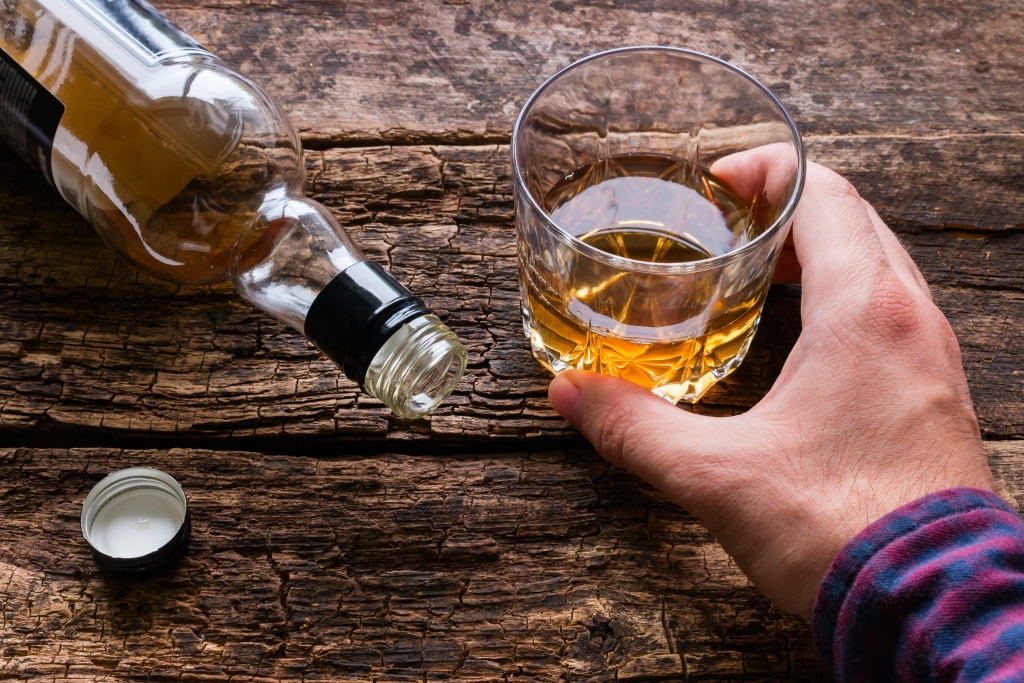
Can alcohol help you survive in extremely cold conditions?
Furthermore, alcohol consumption can contribute to dehydration, as it is a diuretic that increases urine production and leads to fluid loss. This can further exacerbate the effects of dehydration on body temperature regulation. Therefore, it is important to recognize the impact of dehydration on body temperature and make efforts to stay adequately hydrated, especially when consuming alcohol or in hot environments. Maintaining proper hydration levels is crucial for supporting the body’s ability to regulate temperature and preventing potential heat-related issues.
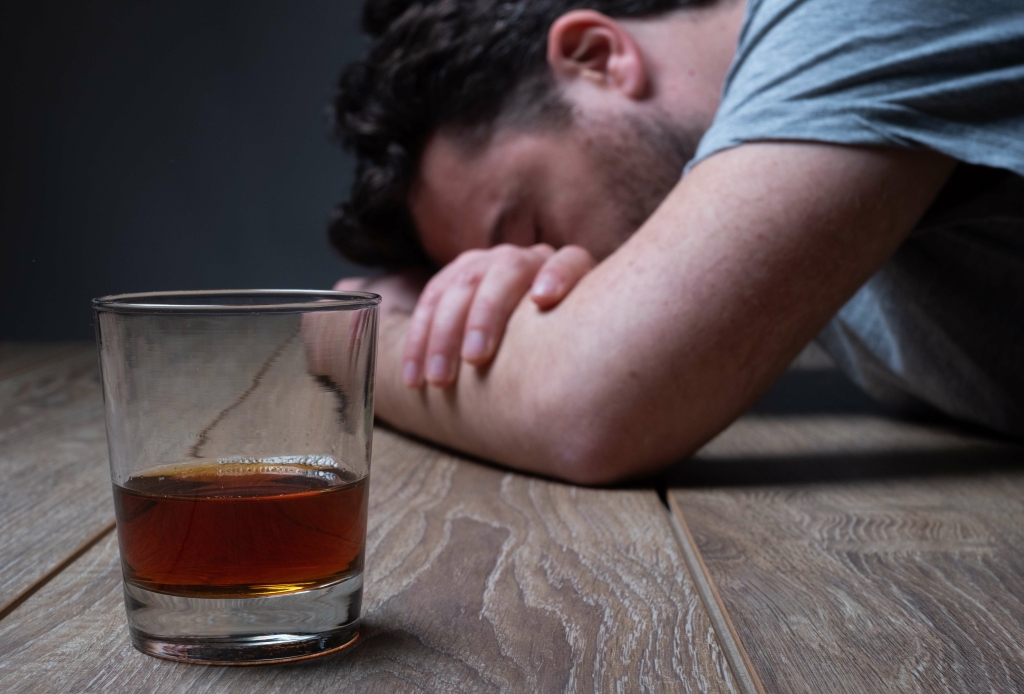
Alcohol dilates blood vessels, increasing heat loss from the skin’s surface
This delay or insufficiency in shivering allows core body temperature to drop unchecked, accelerating the onset of hypothermia. Alcohol’s effect on body temperature is multifaceted, primarily due to its action on the circulatory system and heat regulation mechanisms. In conclusion, the metabolic breakdown of alcohol is a heat-intensive process that directly contributes to elevated body temperature. By understanding the biochemical mechanisms and practical implications, individuals can make informed decisions to balance enjoyment with safety. Whether through moderation, hydration, or awareness of age-related factors, managing alcohol’s thermal effects is essential for maintaining comfort and well-being. A comparative analysis highlights the contrast between alcohol’s immediate warming effect and its long-term impact on temperature regulation.
Alcohol withdrawal
Instead, prioritize hydration with water or electrolyte solutions and monitor your temperature with a reliable thermometer to accurately track fever progression. While a mild hangover might be expected after drinking, severe hangovers signal excessive alcohol does alcohol raise body temp consumption, placing undue stress on your body. There’s also a chance you might be mistaking alcohol withdrawal symptoms for those of a hangover. In more serious scenarios, a fever linked to alcohol can be a symptom of alcohol withdrawal or an underlying health issue exacerbated by drinking.
- Alcohol initially causes a feeling of warmth due to dilation of blood vessels, but it can actually lower core body temperature over time.
- Instead, individuals should focus on staying hydrated, resting, and using evidence-based treatments, such as over-the-counter medications and cool compresses, to help manage fever symptoms.
Instead, individuals should focus on staying hydrated, resting, and using evidence-based treatments, such as over-the-counter medications and cool compresses, to help manage fever symptoms. Fevers are the body’s natural defense against infection, triggered by the release of pyrogens that raise the body’s set point temperature. Alcohol’s interference with thermoregulation can potentially suppress this fever response. Studies suggest that moderate alcohol consumption (1-2 standard drinks for adults) may slightly reduce fever symptoms by dilating blood vessels and promoting heat loss. However, this effect is minimal and should not be relied upon as a fever treatment. From a physiological standpoint, alcohol interferes with the hypothalamus, the brain’s temperature control center.
How to Treat the Symptoms of a Hangover
This can create the sensation of warmth on the surface of the body, giving the impression that alcohol raises body temperature. From a practical standpoint, avoiding alcohol during a fever is advisable, especially for adults over 65 or those with compromised immune systems. Alcohol’s dehydrating effects can exacerbate fever symptoms, as dehydration reduces the body’s ability to sweat and cool down. Additionally, mixing alcohol with fever-reducing medications like acetaminophen can strain the liver, increasing health risks. Instead, focus on hydration with water or electrolyte solutions and rest to support the body’s natural healing processes.
Comentarios recientes